-
Food Rescue & Composting
Enhanced Impact through Coordinated Action
What are we building together?
As the largest public university in Virginia, an AASHE STARS Gold school committed to sustainability, and an institution that serves over 1.2 million meals per year in over 30 dining locations across its campuses, George Mason understands it has a stewardship responsibility regarding food waste, food rescue, and composting. To improve outcomes and address student food insecurity, George Mason applied for Virginia’s Department of Environmental Quality (DEQ) subaward for Food Rescue and Composting to fund improved operations, infrastructure, and awareness building. Here's the main pillars of the system we are building:
-
Food Waste Prevention
4% of grant: Implementing cutting-edge AI tracking software at all four dining halls' food tray return areas to identify types and measure portions of food left over to inform purchasing choices based on consumer preferences.
-
Coordinated Food Rescue
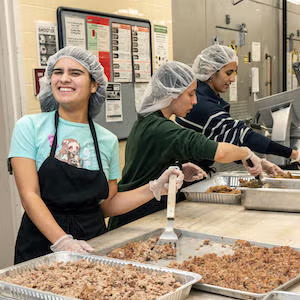
44% of grant: Building a dedicated Food Rescue Hub in Southside and funding two part-time student Food Rescue Specialists to support FRN and dining staff in its operations. Also funding equipment like blast chillers, heat sealing packaging machines, and supplies for the Hub and a fridge in Patriot Pantry.
-
Compost Improvement
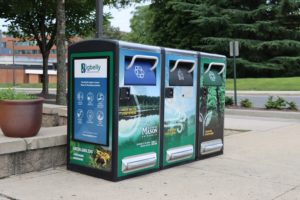
52% of grant: Expansion and improvement of composting operations and infrastructure; institutionalization of gains by hiring a Compost Coordinator to address strategic planning, vendor purchasing, contamination monitoring, and operational execution. Funding for infrastructure in food intensive spaces as well.
What additional impacts do we expect?
George Mason diverts over 600,000 lbs. of compost material per year, and with volunteer shifts only, our chapter of Food Recovery Network already rescues on average 1,804 lbs. of food per year to local non-profits through volunteer shifts (FY2024 data). However, new funding for staffing, equipment, and coordinated activities through the new FRC Working Group will help us realize goals and support real improvement.
-
+ 840,000 lbs Food Waste Prevented
With case studies signaling a 10% reduction in food waste from AI intervention, and based on George Mason's 2.8 million lbs of food purchased per year in our dining services operations, we expect 280,000 lbs of food waste prevented per year or 840,000 lbs over the three year subaward period.
-
+ 24,000 Meals Rescued for Students
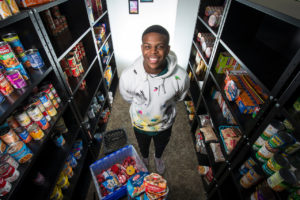
An additional 24,000 meals (11,280 lbs) will be available on campus to any student who identifies as food insecure. Food will be taken from dining halls then packaged, labeled, and frozen in the Food Rescue Hub, and transported to the Patriot Pantry's Johnson Center location (est. Jan 2027).
-
+ 1.1 million lbs Food Waste Composted
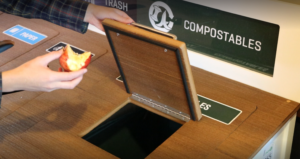
Expanded and improved food waste collection routes, additional infrastructure for diverting unavoidable food waste away from trash disposal and funding critical staff support for planning, coordinating, and execution. Compost will be sent to George Mason’s local industrial compost partner.
-
"We are focused on developing a collaborative, campus-wide system for addressing food waste – from prevention, to rescue, to composting. Together, we were able to secure $1.06 million of the $8 million awarded to Virginia state agencies and will use it to address critical needs and accelerate progress."
- Amber Saxton, Program Manager, F&CO's University Sustainability
Meet the Team
Subaward Management Team:
- Energy & Sustainability: Lara Spader, Senior Director (PI)
- Dining Services: Jonathan Elwell, Director (Co-PI)
- University Sustainability: Amber Saxton, Program Manager
- University Sustainability: Colleen Regan, Program Manager
Subaward Partners/ FRC Working Group Members:
Navigate Sustainability & Partner Sites